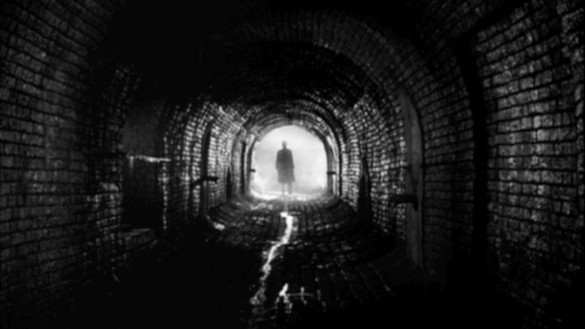
Film Noir, as a genre, has many conventions making it what it is: drama, crime, a mystery. The iconic music and narration, and the lone hero who acts almost like an antagonist at time. A loving dame, who might or might not secretly be nefarious. Yet, the thing that always sticks out most to me time and time again in Film Noirs is their unique, and captivating introductions.
Many Film Noirs begin with a narration by the protagonist, often in retrospect by some fashion (whether it be post-mortem or reflective, simply setting up context or imbued with the characters’ own opinions and references. Is there foreshadowing? Or does the narrator simply see no reason to hide the truth from the audience when it is futile, and they are simply left wondering how? Why?) Sometimes, the introduction narrator is simply an outsider looking in, much like the audience. In the case of 1944’s iconic Laura, however, it is self-identified Waldo Lydecker who delivers the narration.
The use of narration at the beginning (and, commonly, other distinctive parts of the film as well) is not unusual for the film noir. Telotte tells us that this is so because of a “special inflection to the narrative voice that drives these films, which talks not simply about crime and corruption but about how we understand and give formulation to self and society…directly addressing us in ways we are not accustomed to in the cinema…by speaking forthrightly, it helps us to recognize, understand, and perhaps better cope with the problems it so starkly describes.” The introductory narration not only serves to catch us up in a straightforward way, but also outright explains what we should expect from the film. Crime, heartbreak, and most likely an unhappy ending.
Much like the other Noirs during this time, the narration over the introduction is the hook to capture the audience, rather than any stunning visuals or imagery. Under the narration is a long tracking shot, following what we might first assume is Waldo, but is actually a detective, who stops as he admires different foreign and expensive novelties in an apartment. An offscreen voice advises the detective not to touch anything, as they are considered priceless. This new voice signals the end of the narration, almost like a sudden return to the present, or the loss of one’s thoughts or daydreams. The music fades.
I’d like to stick with that idea for a moment. Like other Noirs, Laura deals with flashbacks, introducing the audience to their relationship and important background context. With Waldo’s possessiveness over Laura, as well as the captivating hook of her death over one fateful weekend, the framework of the movie feels very retrospective and daydream-like from the point of view of the narrator, although it is far from idyllic in any sense of the word. It is more akin to the sudden rupture of any hope of things turning out well with each return to the present, that Laura cannot be saved and her fate has already been determined. So we are left in the passenger seat, helplessly watching detectives come and go, and a murder (until the climax and plot twist) go unsolved.
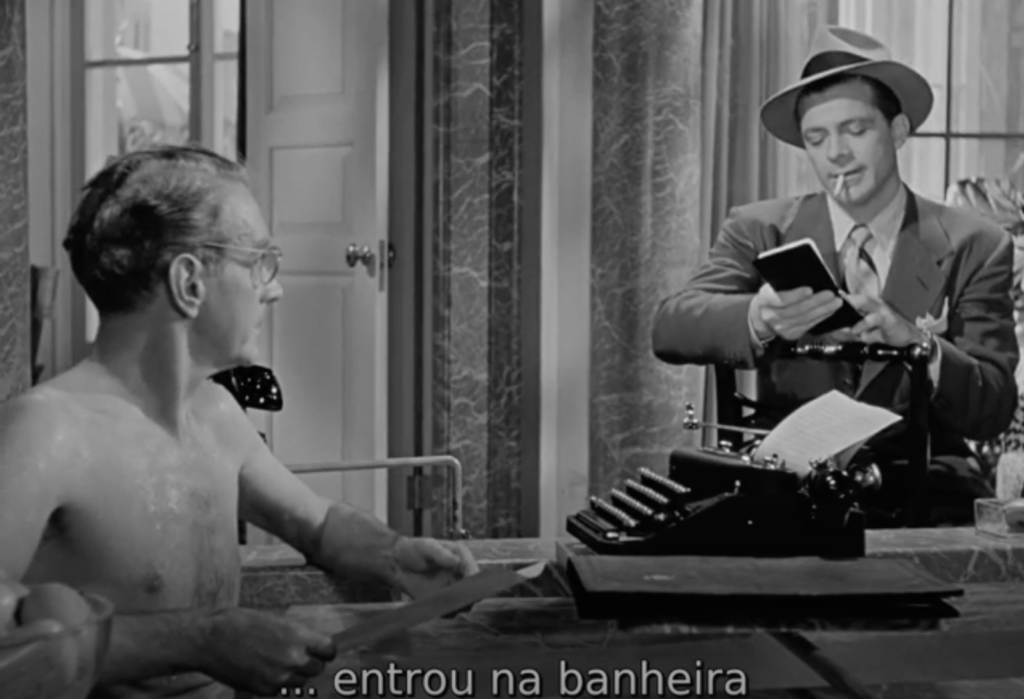
The detective follows the voice into a connecting room, and then identifies the character of Mr. Lyedecker, revealing that it had not been Waldo who we’d been following all along. This is the first, albeit minor, plot twist of many to come.
The two then proceed to talk about the subject of the initial narration: Laura’s death the day previous. Waldo doesn’t seem to be upset or uncomfortable by his state of undress, either leading to his current state of mind after the death, or to his attitude towards the detective— saying ‘I have nothing to hide’ through his shown vulnerability and comfort. The tracking and long shots before cut reflect the languid attitude that Lyedecker is putting out, even as the detective questions him and his motivations, and tries to poke holes in his story.
The setup of the introduction serves to better the rest of the story. While the truth behind the real murderer does feel a little lackluster after all the setup, it can’t be denied that the character of Waldo is intriguing, and his relationships with the people around him complex. Laura does a great job of setting up an emotional connection to the characters, even before the flashbacks, by showing the direct aftermath of her murder: a grieving man, calm and collected despite what he should be, and a detective doing his job, the both sharing their want for answers and the truth.
