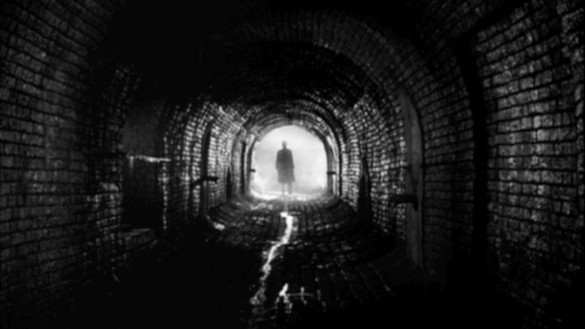
The Killing (1956) is a noir film directed by the amazing Stanley Kubrick that shows many different examples of the key elements of visual motifs in film noir as described in the chapter from Place and Peterson. The most notable scene that shows these key elements comes between the 1:05 and the 1:10 mark of the … Continue reading Scene Analysis 3: The Killing
Category: #noir
The Big Sleep is a classic noir film in 1946, which was based on the 1939 novel of the same name written by Raymond Chandler. Starring Humphrey Bogart and Lauren Bacall, respectively as Detective Philip Marlowe and Vivian Rutledge, this film tells the story about a “process in a criminal investigation, not its results” as […]
For my final scene analysis I have decided to talk about the common film noir trope of the Femme Fatale. In the Dickos reading Women as seen in film noir, Dickos states “Here, bad women, desperate women, determined women or women blind to the destructive passions that motivate them are, much like their male counterparts,Continue reading “Scene analysis 3”
1946’s The Stranger is an interesting film for me to analyze, as I learned after having watched the film that this was Orson Welles’ first foray into the genre of film noir as a director. Knowing this and seeing just how effective he was at capturing the essence of the film noir has made me … More The Stranger (1946) Scene Analysis
Directed by Orson Welles Claustrophobia! Paranoia! Despair! Nihilism! The defining characteristics of film noir. How does a filmmaker show these in their films you ask? Through style and formal elements of course! Formal elements of photography include visual motifs. Visual motifs include low-key & high-key light, unromantic close ups, off angle compositions, and depth ofContinue reading “The Stranger (1946)”
Orson Welles’ classic post-war noir film The Lady from Shanghai (1948) engages with a plethora of formal elements. This one-of-a-kind feature stands out for its remarkably stylized visual imagery. Throughout the film, Michael is established as a passive hero because unlike all of the other characters in the film, he doesn’t really desire anything besides adventure andContinue reading “Scene 3: Formal Elements / The Lady from Shanghai (1948)”
Beat the Devil was full of well-known noir stars and imagery. Peter Lorre was the international star from M. Humphrey Bogart was known from The Maltese Falcon,… Read more “Beat the Devil Analysis”
Rear Window directed by Alfred Hitchcock follows the famous photographer L.B Jeffries stuck at home in a wheelchair due to his broken leg, he spends his time watching his neighbors through his rear window. He believes he has witnessed a murder, with the help of his nurse Sella and fiance Lisa they take on theContinue reading “Rear Window (1954) Scene Analysis”
Key Largo tells the story of Frank McCloud, a pragmatic army veteran who is taken hostage inside the Hotel Largo by a power criminal and his henchmen. Unable to escape due to a catastrophic hurricane surging just outside the hotel’s doors, Frank and the other hostages attempt to stay alive under the oppressive thumb of […]
Lady Gangster is a 1942 Film Noir starring Faye Emerson and based off of the play Gangstress by Dorothy Mackaye. The story follows Dorothy Burton, a bank robber who pleas guilty of being an accomplice to the crime. The plot thickens as a childhood friend, Kenneth Phillips, goes to bat for her. Though Phillip and … Continue reading Scene Analysis 3: Lady Gangster